News
How to Maintain a Salt Spray Test Chamber?

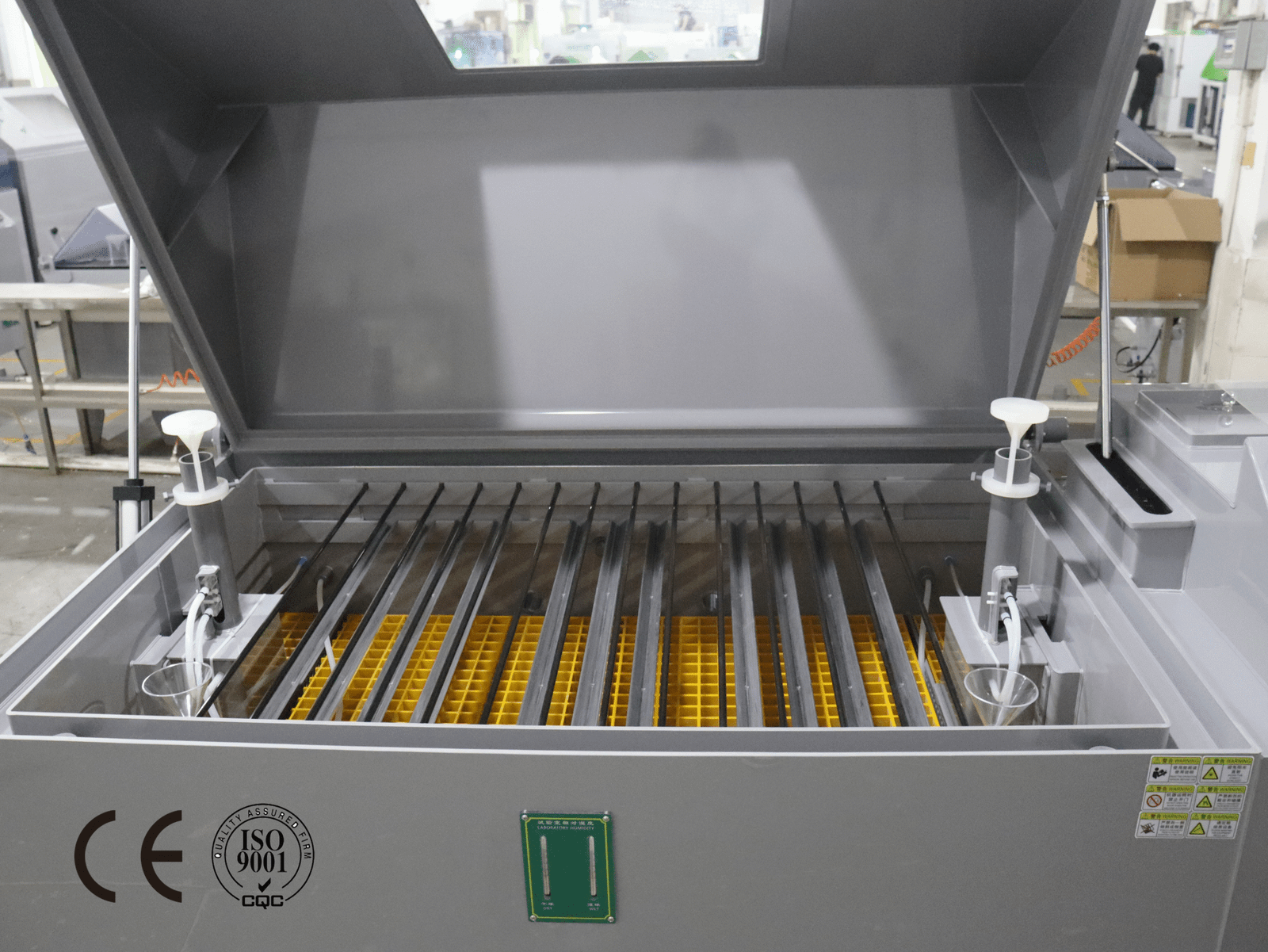
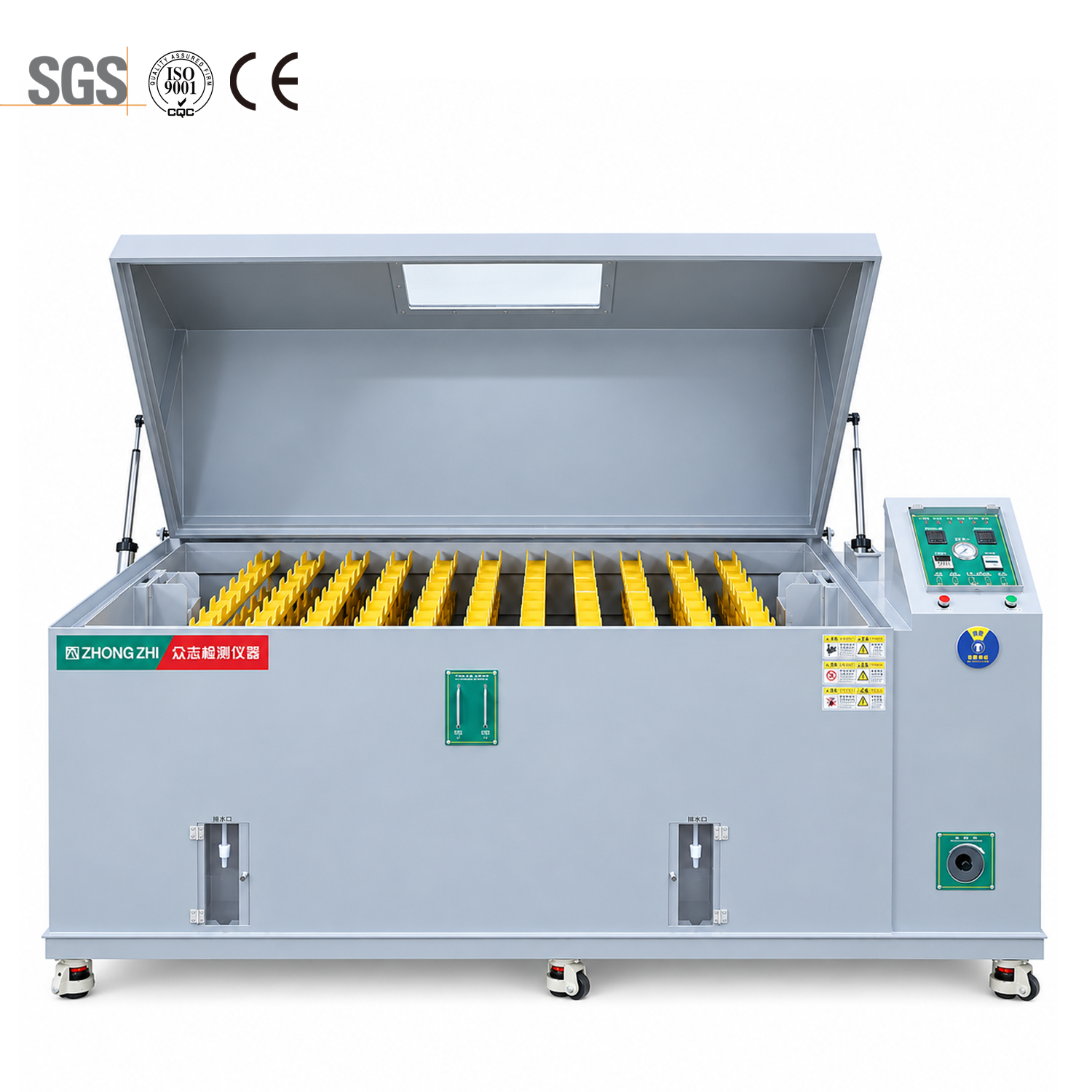
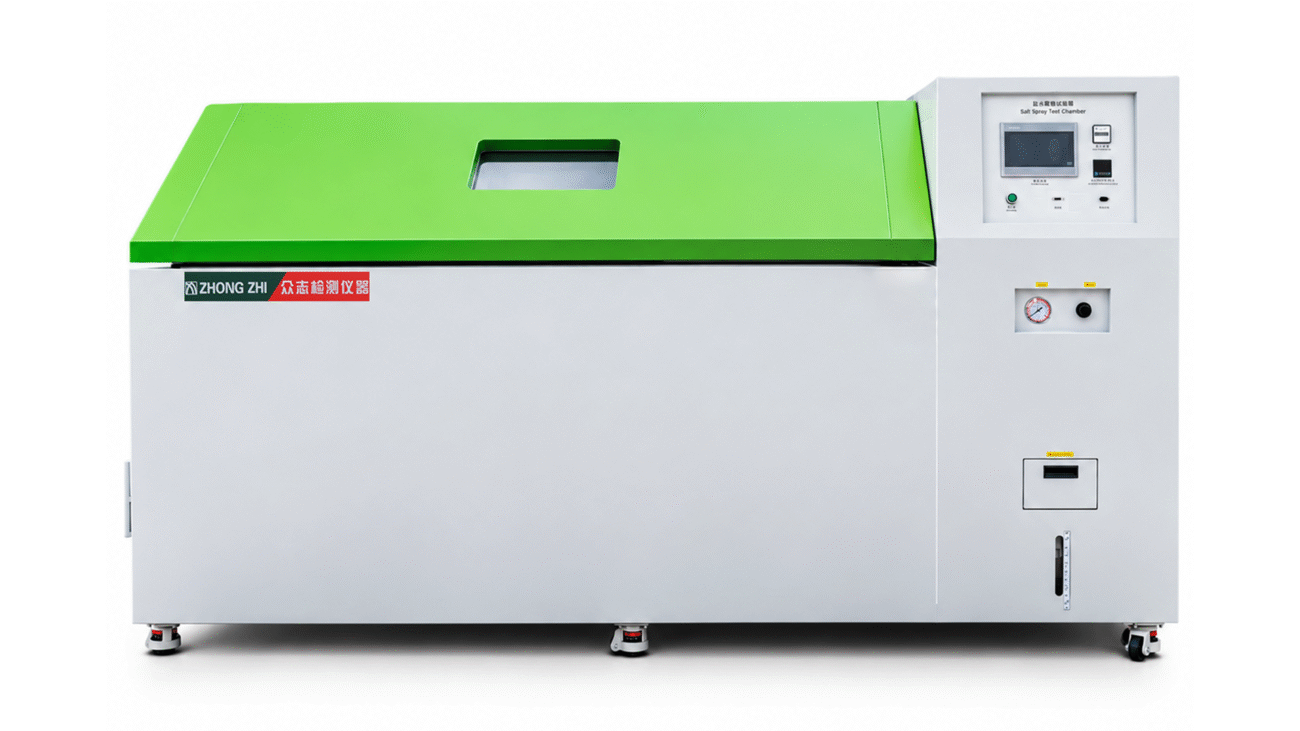
A salt spray test chamber is widely used to evaluate the corrosion resistance of metal components, protective coatings, electroplated parts, and industrial materials. Regular maintenance helps keep the equipment operating reliably, maintain consistent spray conditions, and reduce unexpected downtime.
Whether you use a salt spray chamber for quality control, product development, or laboratory testing, following a proper maintenance routine is essential.
In this guide, we explain how to maintain a salt spray test chamber, which components require regular inspection, and how to prevent common operating problems.
1. Clean the Test Chamber After Each Test
Salt deposits can accumulate on the chamber walls, sample holders, chamber lid, and other internal surfaces during testing.
After completing a test:
- Drain residual test solution and waste liquid according to the equipment manual.
- Rinse the chamber interior with suitable clean or purified water.
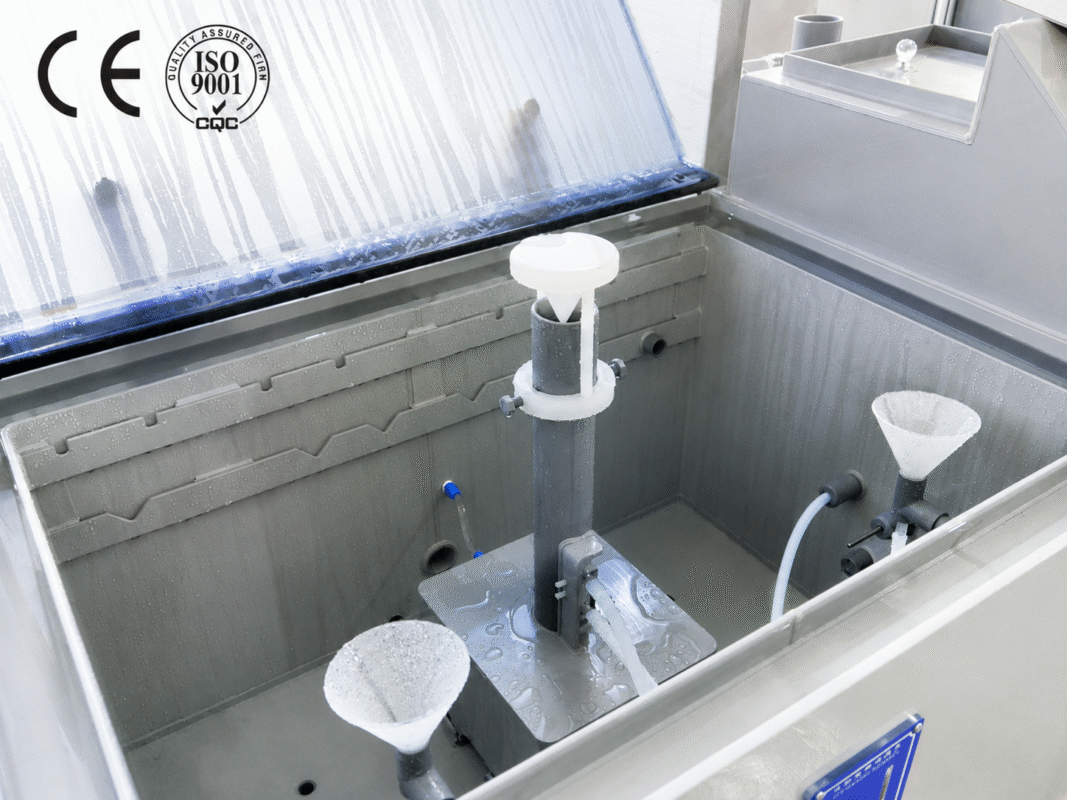
- Remove salt deposits from the sample holders and collection funnels.
- Clean the chamber lid and sealing gasket to prevent salt crystal buildup.
- Wipe away any salt solution around the exterior of the equipment.
Use a soft cloth or non-abrasive cleaning tool to protect the chamber lining. Avoid spraying water directly onto electrical components or the control panel.
Regular cleaning helps reduce salt accumulation and protects components from unnecessary exposure to corrosive residues.
2. Inspect and Clean the Spray Nozzle
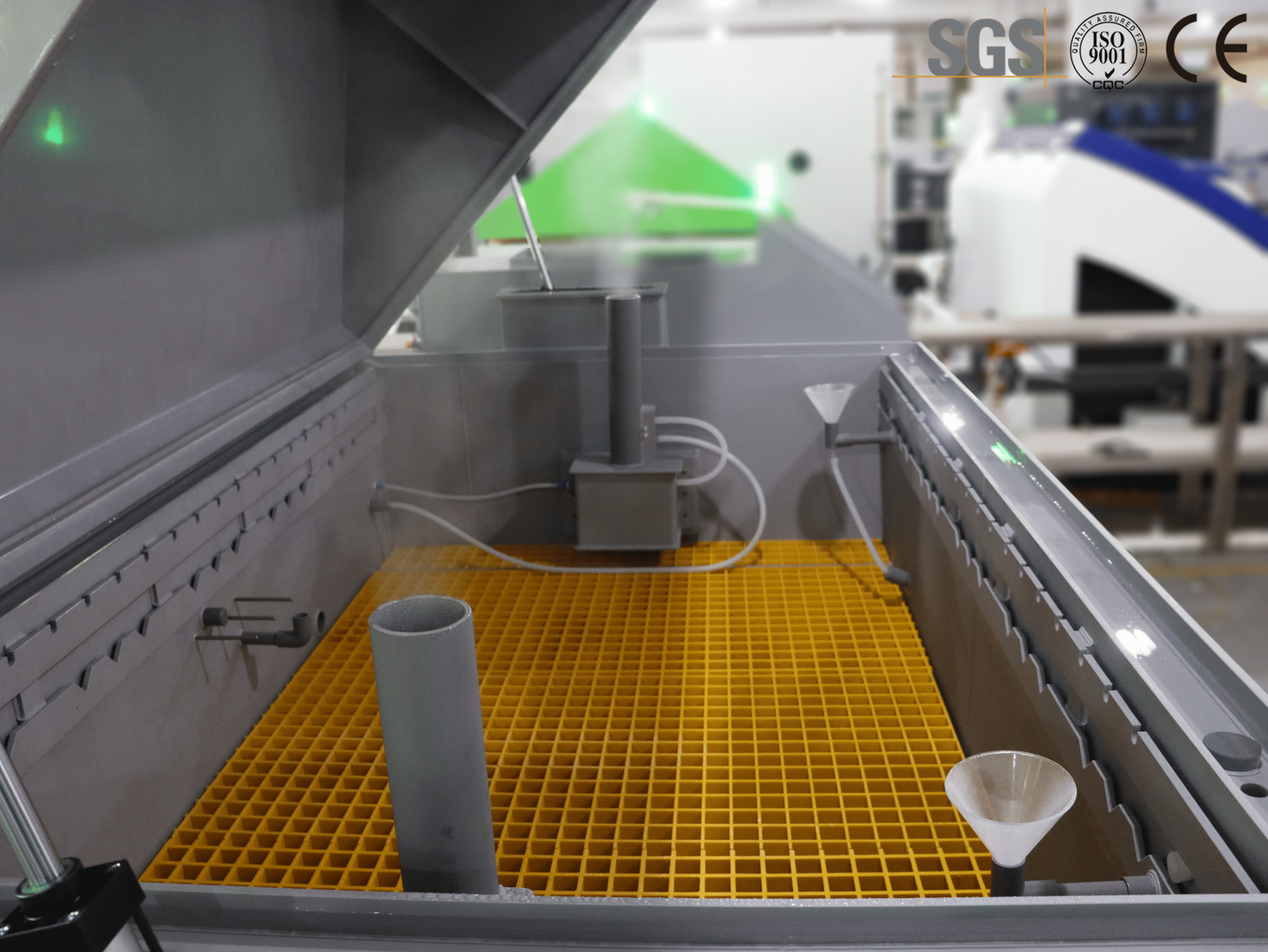
The spray nozzle is one of the most important components of a salt spray test chamber. A blocked or damaged nozzle can affect spray distribution and test consistency.
Check the nozzle regularly for salt crystals, deposits, cracks, and other signs of damage.
If the nozzle becomes blocked:
- Stop the test and follow the manufacturer’s shutdown procedure.
- Allow the equipment to reach a safe condition before maintenance.
- Clean the nozzle using the method recommended by the manufacturer.
- Rinse it thoroughly and reinstall it correctly.
- Run a functional check to confirm that the spray is uniform.
Avoid using hard metal tools that may scratch or enlarge the nozzle opening. Replace a damaged nozzle rather than attempting to repair its geometry.
3. Check the Salt Solution and Brine Tank
The quality of the salt solution directly affects the reliability of corrosion testing.
Before each test, check the following:
- The solution is prepared according to the applicable test method.
- The brine tank contains sufficient solution for the planned test duration.
- The tank and filter are free from visible sediment and contamination.
- The solution supply lines are properly connected.
- The solution is not being reused when the applicable procedure requires fresh solution.
For common neutral salt spray testing, solution concentration and preparation must follow the specified test method. Do not assume that one concentration or preparation procedure applies to every corrosion test.
Clean the brine tank and filter whenever deposits or contamination are found, and follow the manufacturer’s recommended cleaning schedule.
4. Inspect the Compressed Air System
Compressed air helps atomize the salt solution and produce the required spray.
Air containing oil, dirt, or excessive moisture can interfere with spray performance and contaminate the test environment.
Regularly inspect:
- Air filters and water separators
- Air hoses and connection points
- Pressure regulators and pressure gauges
- The air compressor and its condensate drainage system
- Air pressure stability during operation
Drain accumulated condensate and service the filters according to the compressor manufacturer’s instructions.
The required air pressure depends on the equipment design and test procedure. Always use the specified operating parameters rather than adjusting the pressure arbitrarily.
5. Monitor Temperature and Water Levels
Stable temperature conditions are important for reliable salt spray testing.
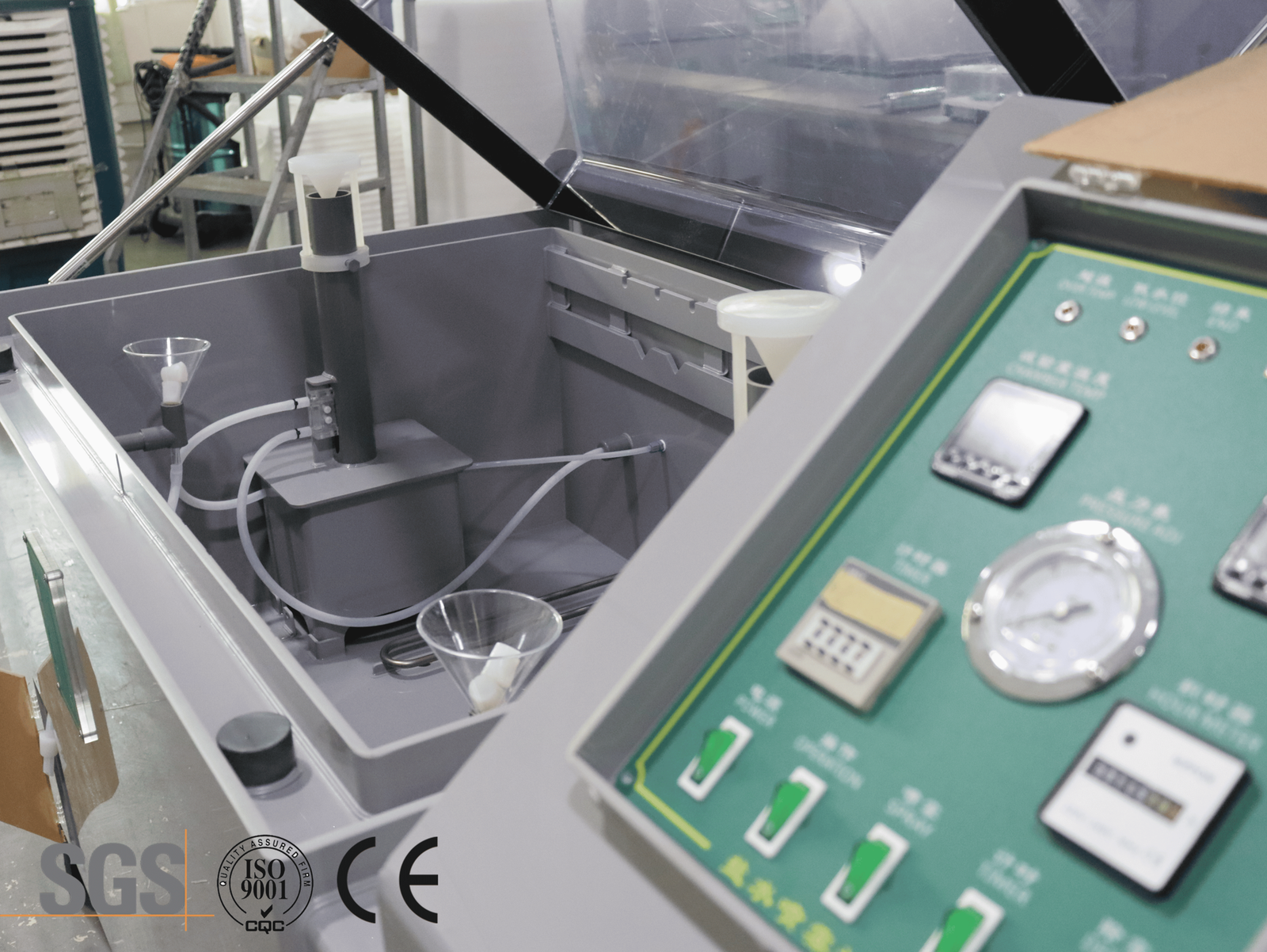
Before starting a test, verify that the chamber and any air-saturation system are supplied with the required water and that their temperature readings are normal.
During operation, monitor:
- Chamber temperature
- Saturator temperature, if applicable
- Water levels and low-water alarms
- Heating performance
- Temperature fluctuations and abnormal alarms
If the equipment cannot reach the set temperature, check the water level, alarm messages, and other items permitted by the operating manual.
Persistent temperature instability may indicate a sensor, heater, controller, or other system problem. Qualified service personnel should inspect the equipment when necessary.
6. Check the Drainage System and Chamber Seal
Blocked drainage lines can allow waste liquid to accumulate, while salt crystals on the chamber seal may affect closure and sealing.
Inspect the drain pipes, valves, and collection containers regularly. Confirm that waste liquid can flow freely and that the chamber lid closes properly.
Clean the sealing gasket with a suitable non-abrasive material. If the gasket is cracked, deformed, or no longer seals correctly, arrange for replacement.
Proper drainage and sealing help prevent leakage and reduce contamination around the test area.
7. Follow a Preventive Maintenance Schedule
A practical maintenance schedule makes inspections easier to manage and helps operators identify problems before they interrupt testing.
Daily or after each test
- Clean the chamber and sample holders.
- Remove residual salt deposits.
- Check the nozzle and brine level.
- Inspect the chamber seal and drain lines.
- Record abnormal readings or alarms.
Weekly or according to usage
- Inspect the brine tank and filters.
- Check air hoses, fittings, and pressure regulators.
- Inspect water supply lines and drainage.
- Review operating records for recurring abnormalities.
Monthly or at the manufacturer’s recommended interval
- Inspect heaters, temperature sensors, and control functions.
- Check electrical connections through qualified personnel.
- Review the condition of seals, hoses, and other consumable components.
- Verify measurement and calibration requirements.
The actual frequency depends on test duration, operating conditions, and equipment design. Always follow the manufacturer’s instructions and the applicable testing procedure.
8. Prepare the Chamber for Long-Term Shutdown
If the salt spray test chamber will remain unused for an extended period, clean and preserve it before storage.
- Stop the test and switch off the equipment according to the manual.
- Drain residual solution and liquids from the designated systems.
- Clean the chamber, brine tank, nozzle, and filters.
- Allow the cleaned components to dry as directed by the manufacturer.
- Disconnect utilities where required and protect the equipment from dust and moisture.
- Inspect the chamber before returning it to service.
Before restarting the equipment, check the water supply, air connections, drainage, temperature controls, and safety functions.
9. Common Salt Spray Chamber Problems and Maintenance Tips
Problem: The chamber does not spray normally
Possible causes include a blocked nozzle, insufficient solution, unstable air pressure, or a problem with the supply line.
Maintenance tip: Check the solution level, nozzle condition, filters, and air connections before arranging further diagnosis.
Problem: The chamber temperature is unstable
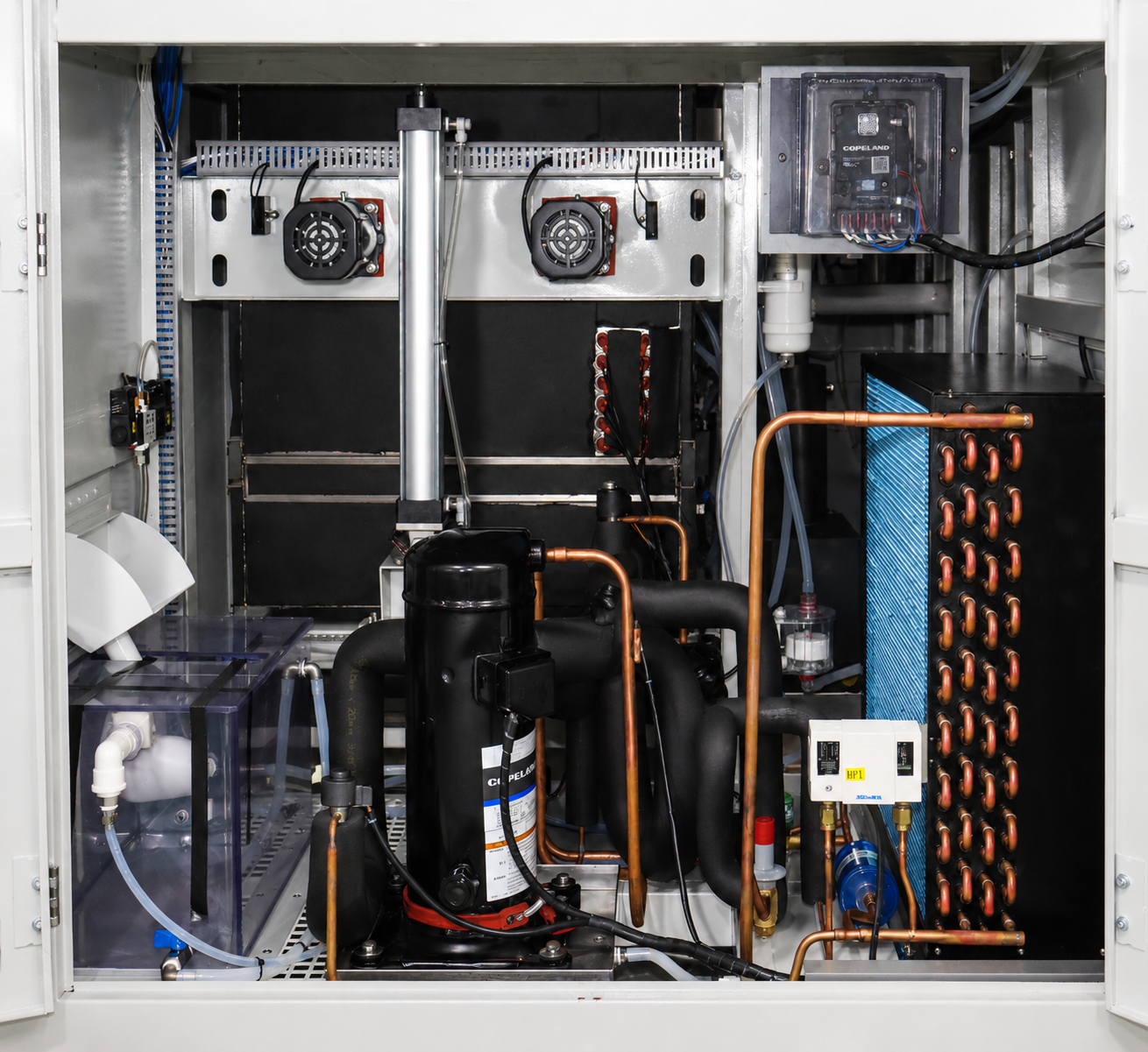
Possible causes include insufficient water, a faulty sensor, heater problems, or controller issues.
Maintenance tip: Check water levels and alarm messages first. If the problem persists, contact qualified service personnel.
Problem: Salt deposits accumulate quickly
Possible causes include insufficient cleaning after tests, contaminated solution, or deposits around the spray system.
Maintenance tip: Clean the chamber and relevant components regularly, and inspect the solution and filters.
Problem: Test results are inconsistent
Possible causes may include variations in solution preparation, spray collection, temperature, specimen placement, or other test conditions.
Maintenance tip: Review the complete test procedure and equipment records. Maintenance alone cannot guarantee consistent results unless the other test conditions are also controlled.
10. Choose a Salt Spray Test Chamber Designed for Reliable Operation
Regular maintenance is essential, but equipment design, material selection, control stability, and service support also influence long-term operation.
When selecting a salt spray test chamber, consider:
- Chamber material and corrosion resistance
- Temperature control and monitoring functions
- Spray system design and ease of cleaning
- Brine tank capacity and maintenance access
- Safety protections and alarm functions
- Availability of replacement parts and technical support
A suitable chamber should match your testing standards, sample requirements, available laboratory space, and expected workload.
Conclusion
Maintaining a salt spray test chamber involves more than cleaning the chamber after each test. Regular inspection of the nozzle, brine tank, compressed air system, temperature controls, drainage, and sealing components helps reduce avoidable downtime and supports reliable testing.
By establishing a preventive maintenance schedule and following the manufacturer’s operating instructions, laboratories can keep their equipment in good working condition and identify potential problems earlier.
Looking for a Salt Spray Test Chamber?
Zhongzhi provides salt spray testing equipment for corrosion resistance evaluation across metal processing, surface treatment, automotive components, hardware, and other industrial applications.
Contact our team to discuss your testing standards, sample dimensions, chamber capacity, and configuration requirements. We can help you identify a suitable solution for your laboratory or production needs.