


News
How to choose the gas source for salt spray test machine

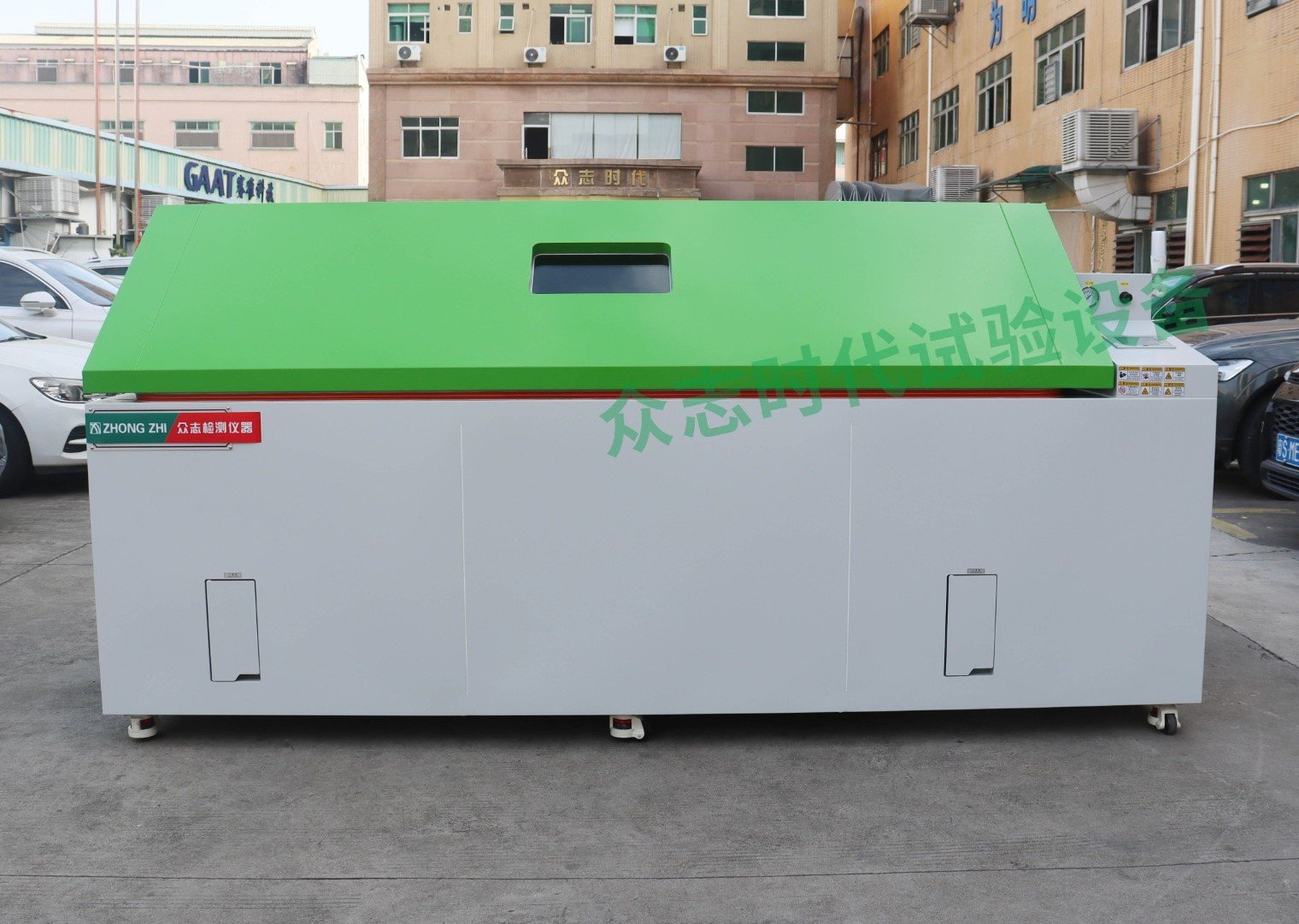
How to choose the air source for a salt spray tester?
Dongguan Zhongzhi Times Testing Equipment Co., Ltd. There are two main types of air sources for salt spray testers:
- Air Compressor:
- Working Principle: An air compressor generates gas by compressing air, providing a stable compressed air source for the salt spray tester. It draws in outside air and compresses it, increasing the air pressure to meet the required pressure for the salt spray tester.
- Advantages: It is the most commonly used air source for salt spray testers. It offers stable air supply and adjustable pressure, meeting the air source requirements of salt spray testers under different test conditions. Furthermore, there are a wide variety of air compressor types and models on the market, allowing users to select the appropriate air compressor based on the specific needs of the salt spray tester, such as the required inlet pressure, outlet pressure, and air flow rate.
- Note: When selecting an air compressor, it is recommended to choose one with a larger air tank. An air storage tank can buffer air pressure, reducing the need for frequent compressor startups and ensuring a more stable air supply. It also helps remove water and contaminants, preventing impurities like oil from entering the salt spray tester and potentially affecting its lifespan.
- Pipeline Gas:
- Working Principle: If your laboratory or site already has an existing pipeline gas supply system, it can be used as the air source for the salt spray tester. Pipeline gas is typically compressed air or other gases that have undergone certain treatments and is delivered to the salt spray tester via pipelines.
- Advantages: Using pipeline gas as the air source eliminates the need to purchase and install an additional air compressor, saving equipment costs and installation space. Furthermore, the pipeline gas supply is relatively stable; as long as the pipeline system is operating normally, it can continuously supply air to the salt spray tester.
- Precautions: Ensure that the pipeline gas pressure meets the requirements of the salt spray tester, generally within the inlet pressure range specified by the manufacturer. Also, pay attention to pipeline connections and seals to ensure smooth gas delivery to the salt spray tester and prevent leakage.
Regardless of the gas source used, it needs to be purified. Usually, an oil-water separator or other device is used to remove impurities such as oil, gas, water vapor, and dust from the air to ensure that the gas entering the salt spray tester is pure and avoid affecting the test results.